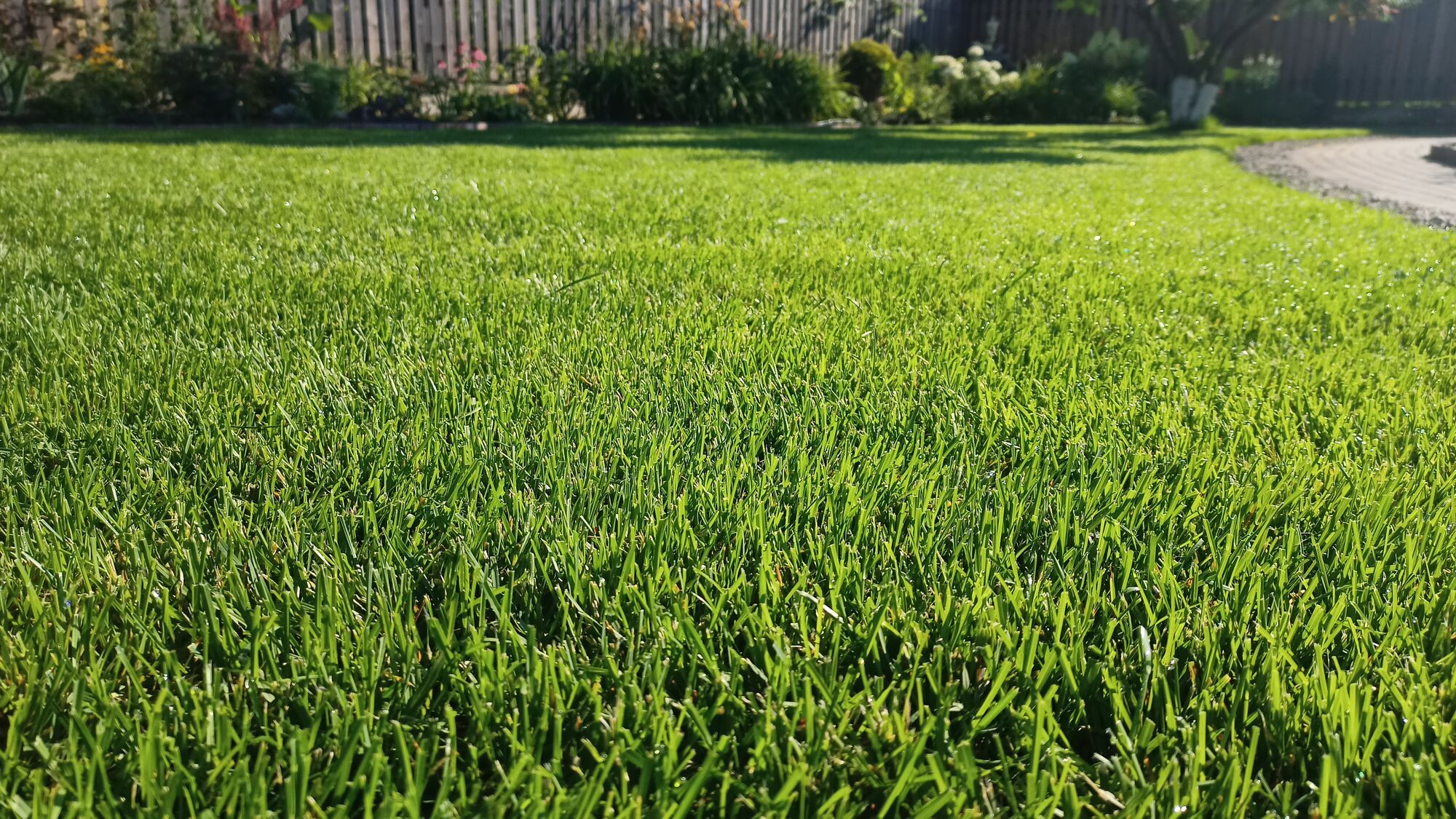
Eco-Friendly Oceanfront Landscaping: Sustainable Practices for Coastal Harmony Aug 08, 2026
One of the primary steps in eco-friendly oceanfront landscaping is choosing native plants. Native species are naturally acclimated to local weather patterns, requiring less water and maintenance. This not only preserves critical water resources but also attracts local wildlife, such as pollinators and birds, enhancing the biodiversity of the area. Coastal grasses, wildflowers, and shrubs can withstand salty winds and sandy soils, making them perfect choices for your sustainable garden.
Efficient water usage is another vital component of sustainable oceanfront landscaping. Drip irrigation systems are an excellent solution, delivering water directly to the roots, minimizing evaporation, and ensuring every drop counts. Incorporating rainwater harvesting systems allows you to collect and store rain for use during dry periods, further conserving precious water resources.
Soil quality is pivotal in maintaining healthy plant life. Utilizing natural fertilizers and composts enriches the soil without the harmful side effects associated with chemical fertilizers. Composting kitchen residues and garden waste provides nutrients to the soil, promotes robust plant growth, and reduces landfill waste. Oceanfront Landscape encourages the use of organic mulches, which retain soil moisture, regulate temperature, and suppress weed growth.
Another critical aspect is the integration of hardscaping elements. While hardscaping adds functionality and aesthetic appeal, such as pathways or patios, it can also contribute to eco-friendliness. Porous materials for pathways allow rainwater to seep through, reducing runoff and erosion. Opt for permeable pavers and recycled materials to create attractive yet sustainable outdoor living spaces. These features blend effortlessly with the natural beauty of your coastal home, providing a durable and environmentally responsible solution.
Utilizing renewable energy sources, such as solar-powered lighting, aligns with sustainable practices. Solar lights eliminate the need for electric wiring, reduce energy costs, and provide a soft, ambient glow that enhances the look of your garden. Wind turbines or small solar panels can also be considered for powering larger garden features, such as water fountains or landscape lighting.
Environmental challenges, like erosion, are more pronounced in oceanfront properties. Strategic plantings and the use of retaining walls can mitigate this issue. Plants with deep root systems help stabilize the soil, while retaining walls can buffer against strong winds and high tides. Adding groundcover plants, such as native grasses, helps keep the soil intact and prevents erosion naturally.
Sustainability is all about balance and fostering a symbiotic relationship between your landscape and the environment. By implementing these practices, Oceanfront Landscape clients not only beautify their homes but also contribute positively to the environment. This harmonious approach to oceanfront landscaping supports ecological health and instills a sense of pride in knowing your property is both a visual delight and an eco-friendly haven.
In conclusion, eco-friendly oceanfront landscaping is a rewarding venture that offers aesthetic, environmental, and economic benefits. By integrating sustainable practices, homeowners can enjoy a thriving coastal landscape that respects and protects the natural world. Trust Oceanfront Landscape to guide you in achieving a harmonious seaside sanctuary that you and future generations can cherish.
/filters:no_upscale()/filters:format(webp)/media/1732f530-4089-4070-98c1-71e6c5a48836.jpeg)
/filters:no_upscale()/filters:format(webp)/media/5ef5724e-80f7-424c-847b-6c05a46874c1.jpeg)